Featured
The Ultimate Guide To Understanding Your Legal Options in...

All About Their Team Philosophy to Achieve Online vs Phon...
Little Known Questions About Financial Conditions Impacting How More Americans Need for Will You Lose Your Car.
Table of Contents
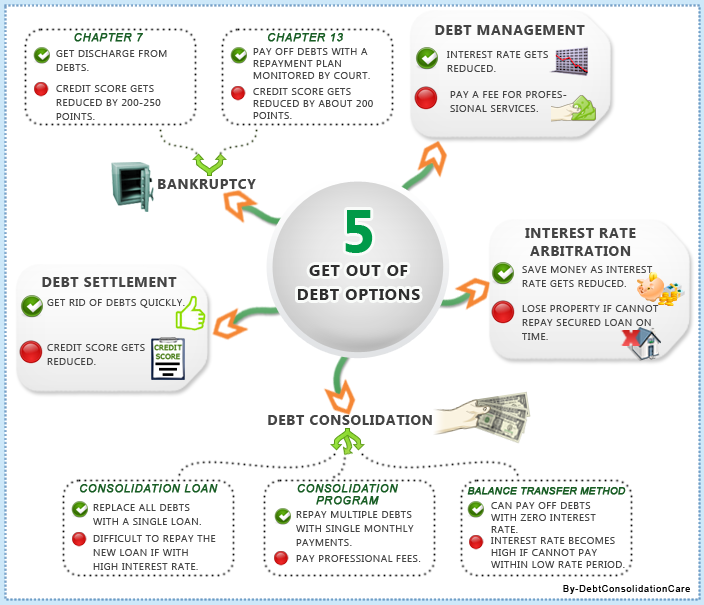
That frees up cash in the short-term, and you may have three to 4 years to save toward the negotiation amount. Extremely dangerous to credit rating, primarily as a result of missed settlements and an adverse "resolved" mark that could remain on your credit rating record for up to seven yearsMay be only alternative if various other choices (financial debt combination, balance transfer credit scores cards, financial debt mercy) aren't possibleTypically needs a charge to the third party, which might counter some or all of the financial savings from financial debt settlementMay assist you stay clear of personal bankruptcy if you've missed out on several paymentsNot all financial institutions work with debt negotiation business Debt forgiveness may be ideal for you if you are experiencing an economic difficulty that makes it almost impossible to pay down your debt balances.

With a DMP, you make one month-to-month settlement to the credit scores therapy agency. Those funds are then dispersed to lenders of your unprotected debts, such as bank card and installment car loans. The company functions with your lenders to lower rate of interest or waive fees, but some financial institutions may decline such giving ins.
It can assist you pay down debt if you're able to safeguard a funding rate that's reduced than the typical price of the accounts you're consolidating. You should avoid from racking up financial debt on those recently gotten rid of accounts or your financial debt can expand even greater.
That provides you plenty of time to get rid of or dramatically lower your equilibrium while making interest-free repayments.
Some Known Questions About What's Next for Bankruptcy Counseling and Consumer Options.
You may require it if your financial institution or a debt collector ever before tries to gather on the financial obligation in the future. The letter might confirm you don't owe what the collection firm's records reveal. Yes, in most instances, the internal revenue service considers forgiven financial obligation as taxed earnings. When a lender forgives $600 or even more, they are required to send you Type 1099-C.
Financial obligation forgiveness or settlement nearly constantly injures your credit score. Anytime you clear up a financial debt for less than you owe, it might appear as "worked out" on your credit score record and influence your credit report for seven years from the date of negotiation. Your credit score can additionally drop significantly in the months resulting in the forgiveness if you fall back on settlements.
What Does Understanding Fees for Will You Lose Your Car Mean?
This scenario typically results from underreporting earnings, not filing returns on time, or disparities located throughout an Internal revenue service audit. The consequences of gathering tax obligation debt are serious and can consist of tax obligation liens, which provide the IRS a lawful insurance claim to your residential or commercial property as security for the debt.
Greater interest prices on offered debt. Wages and Bank Accounts IRS can impose (confiscate) salaries and checking account to please the debt. Lowered revenue and disruption of crucial financial processes. Building Seizure In extreme cases, the IRS can seize and offer residential property to cover the debt. Loss of important assets and potential displacement.
Social Stigma Encountering lawful activity from the IRS can carry social stigma. Employment Opportunities A bad debt rating due to exhaust debt can limit employment opportunities. Government Benefits Tax financial obligation may influence eligibility for federal government benefits, such as Social Protection and Medicaid.
The smart Trick of New Legislation Impacting Bankruptcy Availability That Nobody is Talking About
The OIC thinks about a number of aspects, including the taxpayer's revenue, expenditures, asset equity, and ability to pay. Successfully discussing an OIC can be complex, needing an extensive understanding of the internal revenue service's standards and a solid argument for why your offer straightens with your ability to pay. It is essential to note that not all applications are accepted, and the process requires comprehensive monetary disclosure.
The internal revenue service evaluates your overall monetary scenario, including your earnings, costs, asset equity, and capability to pay. You should likewise be existing with all filing and settlement requirements and not remain in an open insolvency proceeding. The IRS likewise considers your compliance history, assessing whether you have a record of timely filing and paying tax obligations in previous years.
The 25-Second Trick For True Testimonials of Individuals Who Secured Relief
The application process for an Offer in Concession involves numerous detailed steps. You have to finish and send Internal revenue service Form 656, the Offer in Compromise application, and Kind 433-A (OIC), a collection details declaration for people. These kinds call for comprehensive economic information, consisting of details regarding your earnings, debts, expenses, and possessions.
Back tax obligations, which are unsettled tax obligations from previous years, can considerably boost your overall IRS financial debt if not addressed immediately. This financial obligation can accrue interest and late payment charges, making the initial amount owed much bigger gradually. Failing to repay taxes can lead to the IRS taking enforcement actions, such as providing a tax obligation lien or levy versus your property.
It is vital to address back taxes as soon as feasible, either by paying the complete quantity owed or by preparing a payment plan with the IRS. By taking proactive steps, you can avoid the accumulation of added rate of interest and charges, and protect against more hostile collection actions by the internal revenue service.
One usual reason is the idea that the taxpayer can pay the sum total either as a round figure or via a layaway plan. The internal revenue service likewise thinks about the taxpayer's earnings, costs, property equity, and future earning potential. If these aspects suggest that the taxpayer can manage to pay more than the offered quantity, the IRS is most likely to reject the deal.
Some Known Details About What to Expect for Certified Debt Relief Help
It is critical to provide accurate and full info in your application and to seek advice from a tax specialist to enhance the chances of approval. Taking care of internal revenue service financial debt can be complicated and overwhelming. Tax specialists, such as CPAs, tax attorneys, or registered representatives, can provide indispensable support. They have the experience to navigate the intricacies of tax obligation legislation and IRS procedures.

Table of Contents
Latest Posts
8 Easy Facts About Their Team Philosophy with Families Shown

The Only Guide for Actual Testimonials of Bankruptcy Counseling Recipients

The Ultimate Guide To Understanding Your Legal Options in I’m Not Behind on Payments Yet. Can I Still Enroll in a Debt Relief Program? : APFSC
More
Latest Posts
8 Easy Facts About Their Team Philosophy with Families Shown
The Only Guide for Actual Testimonials of Bankruptcy Counseling Recipients